Straightening Teeth to Prevent Tooth Decay: The Hygiene Benefits
Many adults in London struggle with crowded or misaligned teeth, often wondering whether straightening treatment could benefit their oral health beyond cosmetic improvements. Patients frequently...
Introduction
Many adults in London struggle with crowded or misaligned teeth, often wondering whether straightening treatment could benefit their oral health beyond cosmetic improvements. Patients frequently search online to understand the connection between tooth positioning and dental hygiene, particularly regarding tooth decay prevention. This concern is entirely valid, as the relationship between straight teeth and oral health is well-established in dental research.
Crooked, crowded, or overlapping teeth create numerous challenges for effective daily cleaning, potentially leading to plaque accumulation and increased decay risk. Understanding how straightening teeth can help prevent tooth decay empowers patients to make informed decisions about their oral health care. This article explores the hygiene benefits of properly aligned teeth, explaining why tooth positioning matters for long-term dental health.
While cosmetic considerations often motivate patients to consider orthodontic treatment, the preventative health advantages may prove equally important. Professional dental assessment can help determine whether alignment issues contribute to your specific oral health challenges. Treatment suitability depends on individual clinical assessment.
Can Straightening Teeth Really Prevent Tooth Decay?
Straightening teeth can improve oral hygiene effectiveness by eliminating hard-to-reach areas where plaque accumulates. Properly aligned teeth allow better access for brushing and flossing, reducing bacterial buildup that causes tooth decay and gum disease.
Why Tooth Position Affects Oral Hygiene
Crowded or misaligned teeth create numerous "hiding spots" where food particles and bacteria can accumulate beyond the reach of conventional cleaning methods. These areas become breeding grounds for harmful bacteria that produce acids, gradually eroding tooth enamel and causing cavities.
When teeth overlap, toothbrush bristles cannot effectively reach all tooth surfaces, leaving plaque deposits that harden into tartar over time. Similarly, dental floss may struggle to navigate tight spaces between crooked teeth, allowing bacteria to flourish in these protected environments.
The positioning of teeth also affects saliva flow, nature's cleaning mechanism. Properly aligned teeth allow saliva to circulate freely, helping neutralise acids and wash away food debris. Crowded teeth can impede this natural cleaning process, creating stagnant areas where decay-causing bacteria thrive.
Research suggests that patients with straighter teeth may experience fewer cavities and reduced gum disease compared to those with crowding or misalignment issues.
The Science Behind Plaque Accumulation
Dental plaque forms when bacteria in the mouth combine with food particles and saliva to create a sticky biofilm that adheres to tooth surfaces. This process occurs continuously throughout the day, making effective daily removal essential for preventing tooth decay.
In crowded mouths, certain tooth surfaces remain partially or completely inaccessible during routine cleaning. These areas develop mature plaque deposits that become increasingly difficult to remove, eventually mineralising into calculus (tartar) that requires professional dental cleaning.
The bacteria within established plaque colonies produce lactic acid as they metabolise sugars and starches from food. This acid directly attacks tooth enamel, creating the initial stages of decay. Without effective plaque removal, this process continues relentlessly, eventually penetrating through the enamel into the softer dentine beneath.
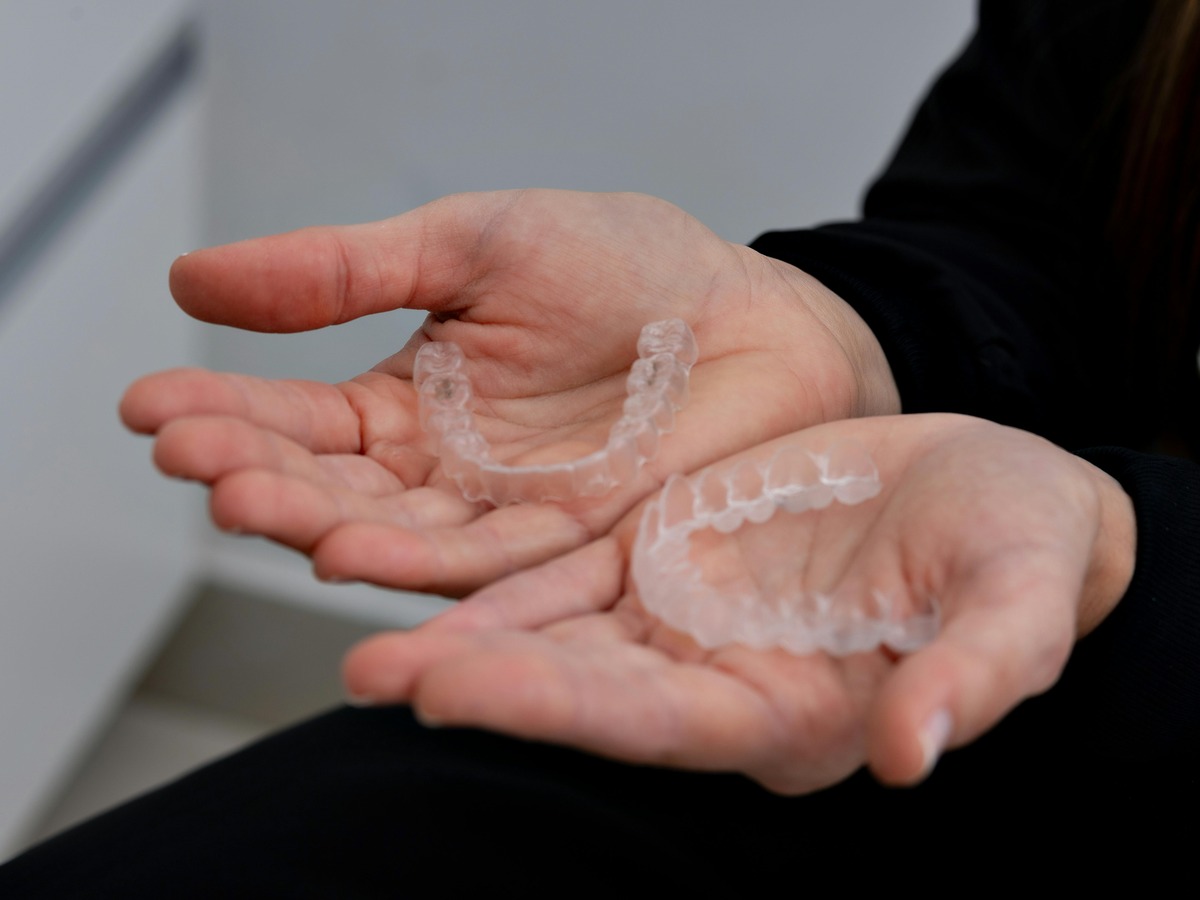
Modern clear aligner treatment can gradually reposition teeth to eliminate these problematic areas, potentially improving patients' ability to maintain optimal oral hygiene throughout their lives.
How Straight Teeth Improve Daily Cleaning
Properly aligned teeth transform the effectiveness of daily oral hygiene routines by ensuring every tooth surface becomes accessible to cleaning tools. Toothbrush bristles can reach all areas uniformly, while dental floss can navigate smoothly between teeth without catching or tearing.
This improved access means patients can remove plaque more thoroughly each day, preventing the accumulation that leads to tooth decay and gum disease. Many patients notice immediate improvements in their ability to clean their teeth effectively once orthodontic treatment begins addressing crowding issues.
Straight teeth also make it easier to identify areas requiring additional attention during cleaning, as patients can visually inspect all tooth surfaces more readily. This enhanced awareness often leads to improved oral hygiene habits that benefit long-term dental health.
The psychological impact of having straighter teeth often motivates patients to maintain better oral care routines, creating a positive cycle that supports excellent dental health throughout life.
Long-Term Benefits for Oral Health
Beyond immediate hygiene improvements, straighter teeth provide lasting benefits that protect oral health for decades. Patients with well-aligned teeth typically require fewer dental interventions throughout their lives, including fillings, crowns, and gum treatments.
The reduced bacterial load in mouths with straight teeth also benefits overall health, as oral bacteria have been linked to various systemic health conditions including heart disease and diabetes. Effective plaque control through improved tooth positioning may therefore contribute to broader health benefits.
Properly aligned teeth also distribute biting forces more evenly, reducing wear patterns and stress concentrations that can lead to tooth damage over time. This mechanical advantage helps preserve natural tooth structure, supporting long-term oral health.
Professional orthodontic assessment can evaluate whether alignment issues contribute to your current oral health challenges and discuss appropriate treatment options for your individual circumstances. Treatment suitability depends on individual clinical assessment.
When to Consider Professional Assessment
Several signs may indicate that tooth positioning affects your oral hygiene effectiveness and decay risk. Persistent plaque buildup in specific areas despite careful cleaning efforts often suggests accessibility issues related to tooth alignment.
Recurring cavities in particular teeth or areas of the mouth may indicate that crowding prevents effective daily cleaning. Similarly, gum inflammation or bleeding consistently occurring in the same locations could signal areas where alignment issues impede proper oral hygiene.
Difficulty using dental floss effectively, with frequent catching or tearing, often indicates spacing problems that orthodontic treatment could address. Food frequently becoming trapped between specific teeth also suggests alignment issues that affect cleaning effectiveness.
If you experience any of these signs consistently, professional dental evaluation can determine whether orthodontic treatment might benefit your long-term oral health. Early intervention often provides effective and comfortable treatment outcomes. Treatment suitability depends on individual clinical assessment.
Prevention and Daily Oral Health Strategies
While considering orthodontic treatment, maintaining excellent oral hygiene remains crucial for preventing tooth decay. Use fluoride toothpaste twice daily, ensuring thorough cleaning of all accessible tooth surfaces for at least two minutes.
Interdental cleaning tools, including floss, interdental brushes, or water flossers, can help access areas between crowded teeth more effectively than traditional floss alone. Experiment with different tools to find those that work for your specific alignment challenges.
Antimicrobial mouth rinses can help reduce bacterial loads in areas that remain difficult to clean mechanically. Choose products containing fluoride for additional enamel protection against acid attacks.
Regular professional cleanings become even more important when tooth crowding makes daily cleaning challenging. Your dental hygienist can access areas that remain difficult to clean at home and provide personalised advice for managing your specific oral hygiene challenges.
Key Points to Remember
• Straightening teeth can improve oral hygiene effectiveness by eliminating hard-to-clean areas where decay-causing bacteria accumulate
• Crowded or misaligned teeth create plaque traps that conventional cleaning methods cannot reach adequately
• Properly aligned teeth allow better access for brushing and flossing, reducing long-term tooth decay risk
• The hygiene benefits of straight teeth often prove as valuable as cosmetic improvements for long-term oral health
• Professional assessment can determine whether alignment issues contribute to your specific oral health challenges
• Early orthodontic intervention typically provides effective treatment outcomes
Frequently Asked Questions
How quickly do hygiene benefits appear after starting orthodontic treatment?
Many patients notice improved cleaning access within the first few months of treatment as teeth begin moving into better positions. However, hygiene improvements typically develop gradually throughout the treatment period as alignment issues resolve progressively.
Can adults benefit from orthodontic treatment for hygiene purposes?
Adult orthodontic treatment can provide the same hygiene benefits as treatment during adolescence. Many adults choose alignment treatment to improve their long-term oral health prospects and reduce future dental intervention requirements.
Do all types of tooth misalignment affect oral hygiene equally?
Different alignment issues create varying challenges for oral hygiene. Severe crowding typically poses greater cleaning difficulties, while minor spacing issues may have minimal impact. Professional assessment can evaluate your specific situation and potential benefits.
How does tooth straightening compare to other decay prevention methods?
Straightening teeth addresses structural causes of cleaning difficulties, providing solutions that complement other preventive measures. While fluoride treatments and dietary changes help prevent decay, alignment correction can eliminate the root cause of many hygiene challenges.
Can orthodontic treatment help with existing gum disease?
Improving tooth alignment can enhance treatment outcomes for gum disease by making affected areas more accessible for cleaning. However, active gum disease typically requires specific periodontal treatment before or during orthodontic therapy.
What happens if crowded teeth aren't straightened?
Untreated crowding may lead to progressive plaque accumulation, potentially increasing the risk of tooth decay and gum disease over time. Professional assessment can help determine whether your alignment concerns may benefit from treatment.
Conclusion
The connection between tooth alignment and oral hygiene represents a crucial consideration for long-term dental health. Straightening teeth to help prevent tooth decay may offer benefits beyond cosmetic improvements, addressing the structural causes of cleaning difficulties that can contribute to cavity formation.
Properly aligned teeth enable more effective daily oral hygiene routines, reducing bacterial accumulation and acid production that damage tooth enamel. This preventative approach often proves more beneficial and cost-effective than treating the consequences of poor oral hygiene throughout life.
Understanding these hygiene benefits empowers patients to make informed decisions about orthodontic treatment based on comprehensive health considerations rather than cosmetic concerns alone.
Professional dental consultation provides personalised assessment of how alignment issues may affect your specific oral health challenges and discuss appropriate treatment options. Treatment suitability depends on individual clinical assessment.
Dental symptoms and treatment options should always be assessed individually during a clinical examination.
Disclaimer:
This article is intended for general educational purposes only and does not constitute personalised dental advice. Individual diagnosis and treatment recommendations require a clinical examination by a qualified dental professional.
Ready to Start Your Smile Journey?
Book a consultation with our experienced team in London.
Book ConsultationWritten by Pro Aligners Team
Clinically reviewed by a GDC-registered dental professional • GDC: 195843