The Psychological Impact of a Crooked Smile: Boosting Self-Esteem in Adults
Many adults feel self-conscious about their smile, particularly when teeth appear crooked or misaligned. This common concern often leads people to research how dental alignment affects confidence and...
Introduction
Many adults feel self-conscious about their smile, particularly when teeth appear crooked or misaligned. This common concern often leads people to research how dental alignment affects confidence and overall wellbeing. The relationship between a crooked smile and self-esteem is significant, as research suggests that dental appearance can influence social interactions, professional opportunities, and personal confidence levels.
Understanding the psychological impact of crooked teeth extends beyond cosmetic considerations. Adults may experience reduced confidence in social situations, avoid smiling in photographs, or feel hesitant during conversations. These concerns are entirely valid, as studies suggest that dental appearance can affect how others perceive us and how we perceive ourselves.
This article explores the psychological effects of dental misalignment, examines why tooth positioning influences confidence, and discusses the relationship between oral health and mental wellbeing. We'll also consider when professional dental assessment may help address both functional and aesthetic concerns related to crooked teeth.
How does a crooked smile affect self-esteem in adults?
A crooked smile can significantly impact adult self-esteem by reducing confidence in social and professional interactions. Research indicates that adults with misaligned teeth often experience social anxiety, avoid smiling, and may feel self-conscious during conversations, which can affect overall psychological wellbeing and quality of life.
The Psychology Behind Dental Appearance and Confidence
The connection between dental appearance and psychological wellbeing runs deeper than many people realise. When adults feel dissatisfied with their smile, this concern can manifest in various behavioural changes. Common responses include covering the mouth whilst speaking, avoiding photographs, or limiting social interactions.
These adaptations often develop gradually, becoming habitual responses that can persist even when others may not notice the dental concerns. The psychological impact typically stems from the individual's perception of their appearance rather than objective assessments from others.
Social psychology research demonstrates that facial appearance, particularly the smile, plays a crucial role in first impressions and ongoing relationships. Adults with crooked teeth may experience heightened self-awareness during conversations, potentially affecting their natural communication style and social comfort levels.
Understanding Why Teeth Become Crooked
Dental misalignment develops through various factors that often combine over time. Genetic influences play a significant role, as jaw size, tooth size, and facial structure are largely inherited characteristics. When there's insufficient space for teeth to emerge properly, crowding naturally occurs.
Childhood habits such as thumb sucking, prolonged dummy use, or mouth breathing can influence developing tooth positions. Early tooth loss, whether through decay or injury, can allow remaining teeth to shift into available spaces, creating alignment issues that persist into adulthood.
Adult tooth movement can also result from gum disease, tooth loss, or changes in jaw structure over time. Understanding these underlying causes helps explain why crooked teeth are common and why addressing alignment concerns often requires professional assessment to determine the most appropriate approach.
The Social Impact of Dental Appearance
Adults frequently report that dental appearance influences their comfort in social situations. Professional environments, dating, and social gatherings may all trigger self-consciousness about crooked teeth. This awareness can create a cycle where reduced confidence affects social performance, potentially reinforcing negative self-perceptions.
Research suggests that people form rapid judgements based on smile appearance, often associating straight teeth with positive characteristics such as success, attractiveness, and good health. Whilst these associations may be superficial, their social reality can affect how adults with crooked teeth navigate interpersonal relationships.
The impact extends beyond romantic relationships to include professional settings, where confidence during presentations, meetings, or networking events may be affected. Many adults describe feeling more reserved or less likely to speak up when they're concerned about their dental appearance.
Treatment Approaches for Adult Teeth Straightening
Modern dentistry offers various approaches to address crooked teeth in adults, each with distinct advantages and considerations. Traditional metal braces remain highly effective for complex alignment issues, providing precise control over tooth movement and achieving comprehensive corrections.
Clear aligners have become increasingly popular among adults, offering a more discreet treatment approach. These removable devices work well for mild to moderate alignment issues and allow greater flexibility in daily routines, though they require consistent wear to achieve optimal results.
Lingual braces, positioned behind the teeth, provide another option for adults seeking effective treatment with minimal visual impact. The choice between different orthodontic treatments depends on factors including the complexity of misalignment, lifestyle considerations, and individual treatment goals.
When Professional Assessment May Be Beneficial
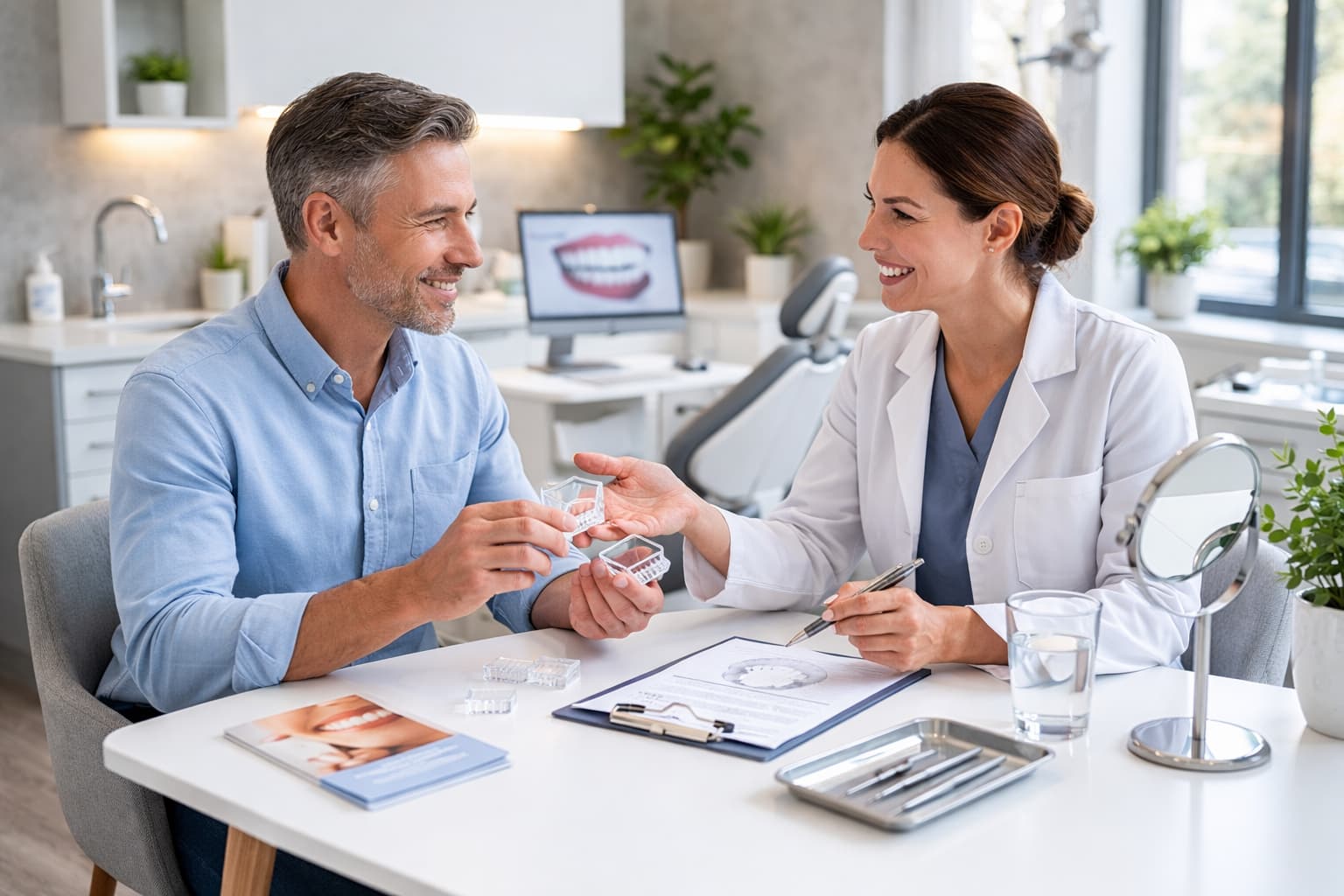
Adults experiencing social anxiety or reduced confidence related to their dental appearance may benefit from professional consultation. Persistent self-consciousness about tooth alignment, particularly when it affects work performance or social relationships, suggests that exploring treatment options could be worthwhile.
Beyond aesthetic concerns, crooked teeth can create practical challenges including difficulty cleaning effectively, increased risk of decay or gum disease, and potential jaw joint discomfort. These functional issues often develop gradually and may not be immediately apparent to patients.
A comprehensive dental assessment can evaluate both aesthetic and functional aspects of tooth alignment. Professional examination allows for personalised discussion of treatment options, realistic outcome expectations, and consideration of how different approaches align with individual lifestyle requirements.
Maintaining Oral Health with Crooked Teeth
Whilst considering treatment options, maintaining excellent oral health remains crucial for adults with crooked teeth. Misaligned teeth can create challenging areas for cleaning, requiring modified brushing and flossing techniques to ensure thorough plaque removal.
Interdental brushes or water flossers may provide more effective cleaning around crowded or overlapping teeth than traditional floss. Regular professional cleaning appointments become particularly important, as dental hygienists can access areas that may be difficult to clean thoroughly at home.
Adults with crooked teeth should monitor for signs of gum inflammation, tooth decay, or persistent bad breath, as these may indicate that current cleaning routines require adjustment. Preventive dental care helps maintain oral health regardless of tooth alignment whilst considering longer-term treatment options.
Key Points to Remember
- Crooked teeth commonly affect adult self-esteem and social confidence, with psychological impacts often extending beyond aesthetic concerns
- Dental misalignment develops through genetic, environmental, and age-related factors that frequently combine over time
- Modern treatment options offer various approaches to address adult tooth alignment, each with specific advantages and considerations
- Professional assessment can evaluate both functional and aesthetic aspects of dental concerns
- Maintaining excellent oral hygiene remains crucial whilst considering treatment options
- Individual treatment suitability depends on comprehensive clinical evaluation and personal circumstances
Frequently Asked Questions
Can crooked teeth affect my professional life?
Research indicates that dental appearance can influence professional interactions and confidence levels. Many adults report feeling more self-conscious during presentations or meetings when concerned about their smile. However, the impact varies significantly between individuals, and addressing alignment concerns through appropriate treatment can help improve professional confidence.
Is it worth straightening teeth as an adult?
Adult teeth straightening can provide both aesthetic and functional benefits, including improved cleaning ability, reduced risk of dental problems, and enhanced confidence. The decision depends on individual circumstances, treatment goals, and personal priorities. Professional consultation can help evaluate whether treatment aligns with your specific needs and expectations.
How long does adult teeth straightening typically take?
Treatment duration varies considerably based on the complexity of alignment issues and the chosen treatment method. Simple cases may require 6-12 months, whilst more complex situations could need 18-24 months or longer. During consultation, dental professionals can provide realistic timeframe estimates based on individual assessment.
Will straightening my teeth improve my self-confidence?
Many adults report improved confidence following successful teeth straightening treatment. However, the psychological impact varies between individuals, and realistic expectations are important. Addressing dental concerns that cause self-consciousness can contribute to improved social comfort and overall wellbeing.
Are there risks associated with adult orthodontic treatment?
Like all dental treatments, adult orthodontics carries some risks including temporary discomfort, gum irritation, or root resorption in rare cases. Professional assessment identifies potential risk factors and discusses appropriate precautions. Most adults complete treatment successfully with minimal complications when following professional guidance.
Can I improve my confidence without orthodontic treatment?
Confidence stems from multiple factors beyond dental appearance. Good oral hygiene, professional cleaning, and cosmetic dentistry options may help improve smile appearance. However, when crooked teeth significantly affect self-esteem, addressing the underlying alignment concerns often provides the most comprehensive solution.
Conclusion
The psychological impact of crooked teeth on adult self-esteem represents a genuine concern that extends well beyond vanity. Understanding how dental appearance affects confidence, social interactions, and overall wellbeing helps validate the experiences of adults who feel self-conscious about their smile.
Modern dentistry offers various effective approaches to address tooth alignment concerns, with treatment options suitable for different lifestyles, budgets, and clinical situations. Professional assessment provides the foundation for making informed decisions about whether treatment aligns with individual goals and circumstances.
Regardless of treatment decisions, maintaining excellent oral health remains paramount, whilst recognising that addressing dental concerns that significantly affect confidence and quality of life represents a worthwhile investment in overall wellbeing.
Dental symptoms and treatment options should always be assessed individually during a clinical examination.
Disclaimer:
This article is intended for general educational purposes only and does not constitute personalised dental advice. Individual diagnosis and treatment recommendations require a clinical examination by a qualified dental professional.
Ready to Start Your Smile Journey?
Book a consultation with our experienced team in London.
Book ConsultationWritten by Pro Aligners Team
Clinically reviewed by a GDC-registered dental professional • GDC: 195843